
Why Play Is One of the Most Powerful Ways Children Learn
September 16, 2026 · 4 min read
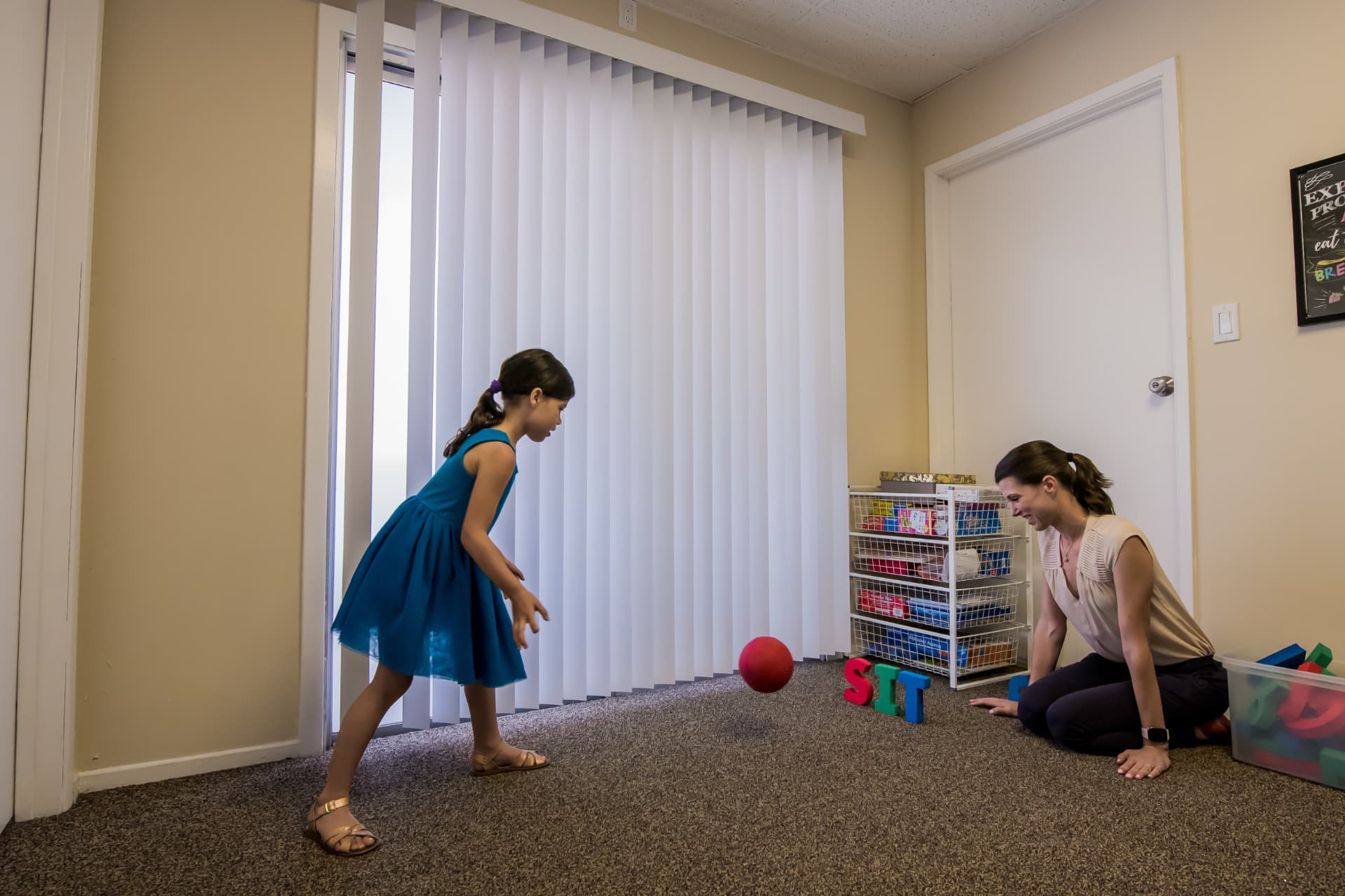
When we think about learning, it is easy to picture children sitting quietly, listening carefully, and completing a worksheet. But decades of child-development research point us toward something much more natural—and much more effective for young learners: play.
Play is not a break from learning. For children, play is learning.
Through games, stories, movement, imagination, problem-solving, and laughter, children build the skills that matter most: language, memory, attention, confidence, social connection, and the ability to keep trying when something feels hard.
The American Academy of Pediatrics describes play as a powerful way to support cognitive, social-emotional, language, and self-regulation skills. In other words, play helps children learn content while also building the “learning how to learn” skills that serve them far beyond any single lesson.
Why play works
Children are most engaged when learning feels meaningful to them. A game gives them a reason to practice. A story gives new information a place to live. A challenge invites them to think, make choices, test an idea, and try again.
That last part matters. In play, mistakes are not failures—they are simply part of the next move.
Research increasingly highlights the value of guided play: learning experiences that are joyful and child-centered, while still thoughtfully designed around a learning goal. Adults do not have to choose between letting children play and helping them learn. The magic happens when we create an engaging experience, give children room to explore, and guide them with questions, encouragement, and just enough support.
Play was always at the center of my tutoring centers
This is not just a research-based idea for me. It is how I built my tutoring centers.
Play was at the center of all learning because I saw what happened when children were invited into the process rather than simply talked at. Games made practice feel purposeful. Stories opened the door to conversation and imagination. Hands-on challenges helped children take academic risks without the fear of getting everything “wrong.”
Children who may have felt hesitant in a traditional learning setting often became more willing to participate when learning felt safe, active, and fun. They were not just completing an assignment; they were solving, creating, collaborating, and discovering.
Where Reti the Yeti comes in
That is the heart behind the Reti the Yeti series.
Reti’s world uses stories and games to turn learning into an adventure. Instead of asking children to memorize in isolation, it invites them to join a character, solve a problem, notice patterns, use new skills, and feel the satisfaction of figuring something out.
A child may come for the story, the humor, or the game—but along the way, they are practicing essential skills. They are listening closely, making connections, thinking strategically, building vocabulary, and developing the confidence to say, “I can do this.”
Stories are especially powerful because they give learning an emotional hook. Children remember what they feel connected to. When a skill is woven into a playful challenge or a memorable moment with Reti, it becomes more than an exercise—it becomes part of an experience.
That is what I want children to experience with Reti the Yeti, too.
Learning can be rigorous and joyful. It can build real skills and still feel like an adventure. And when children are engaged, empowered, and having fun, they do not just learn more—they begin to see themselves as learners.
That is a lesson worth playing for.